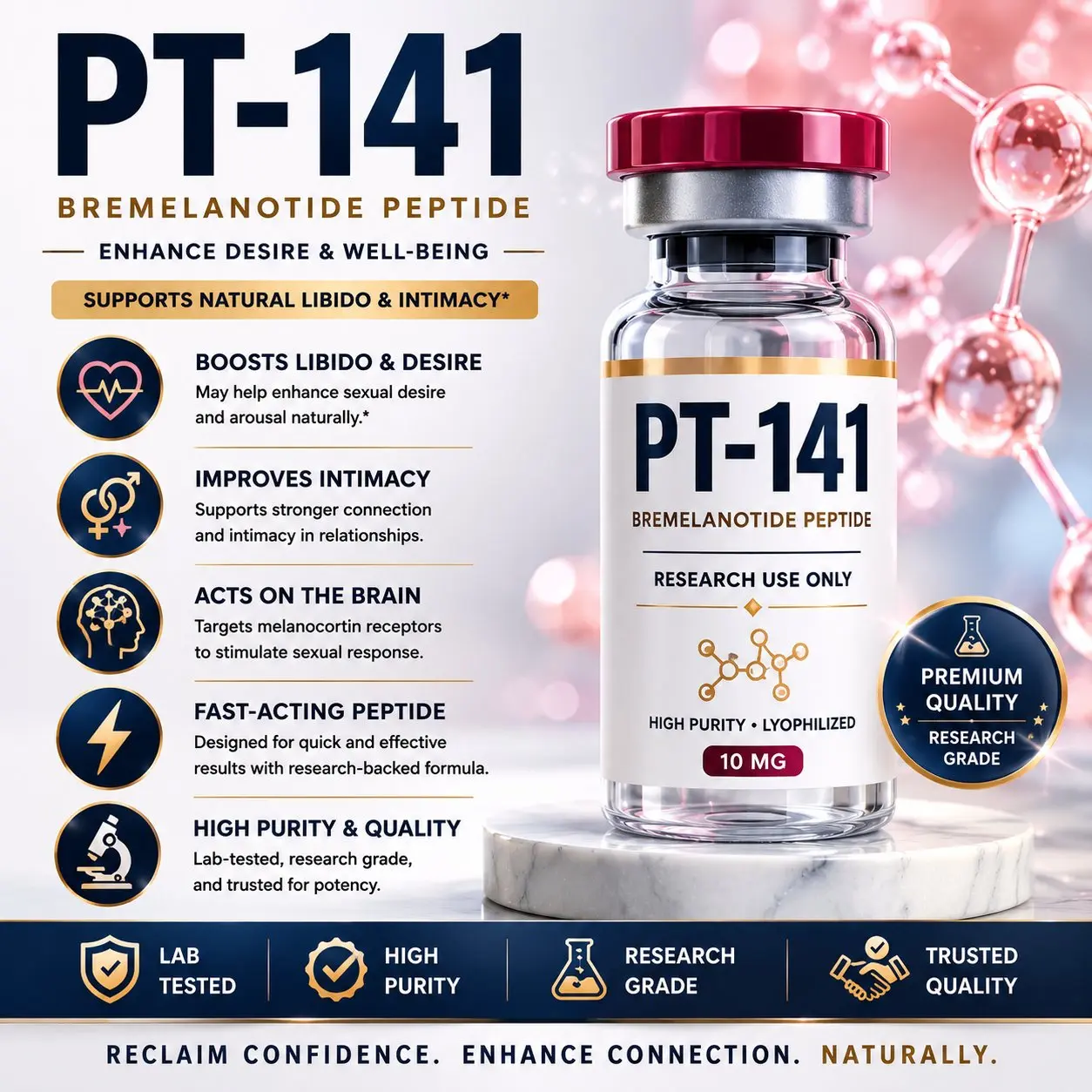
🧠 Key Distinction: PT-141 activates melanocortin receptors (MC3R + MC4R) in the brain's hypothalamus and limbic system — a central mechanism that does not depend on vascular function.
The Science
PT-141 is a synthetic analog of alpha-melanocyte-stimulating hormone (α-MSH), developed from MT-2 research when researchers noted a significant secondary effect. MC3R and MC4R receptors in the hypothalamus and limbic areas are directly involved in motivation, reward and autonomic nervous system regulation.
| Factor | PT-141 | PDE5 Inhibitors |
|---|---|---|
| Mechanism | Central — melanocortin receptors | Peripheral — vascular smooth muscle |
| Vascular dependency | None | Requires adequate function |
| Nitrate interaction | None | Contraindicated |
| Cost (PEPTARA) | From $60/10mg | N/A |
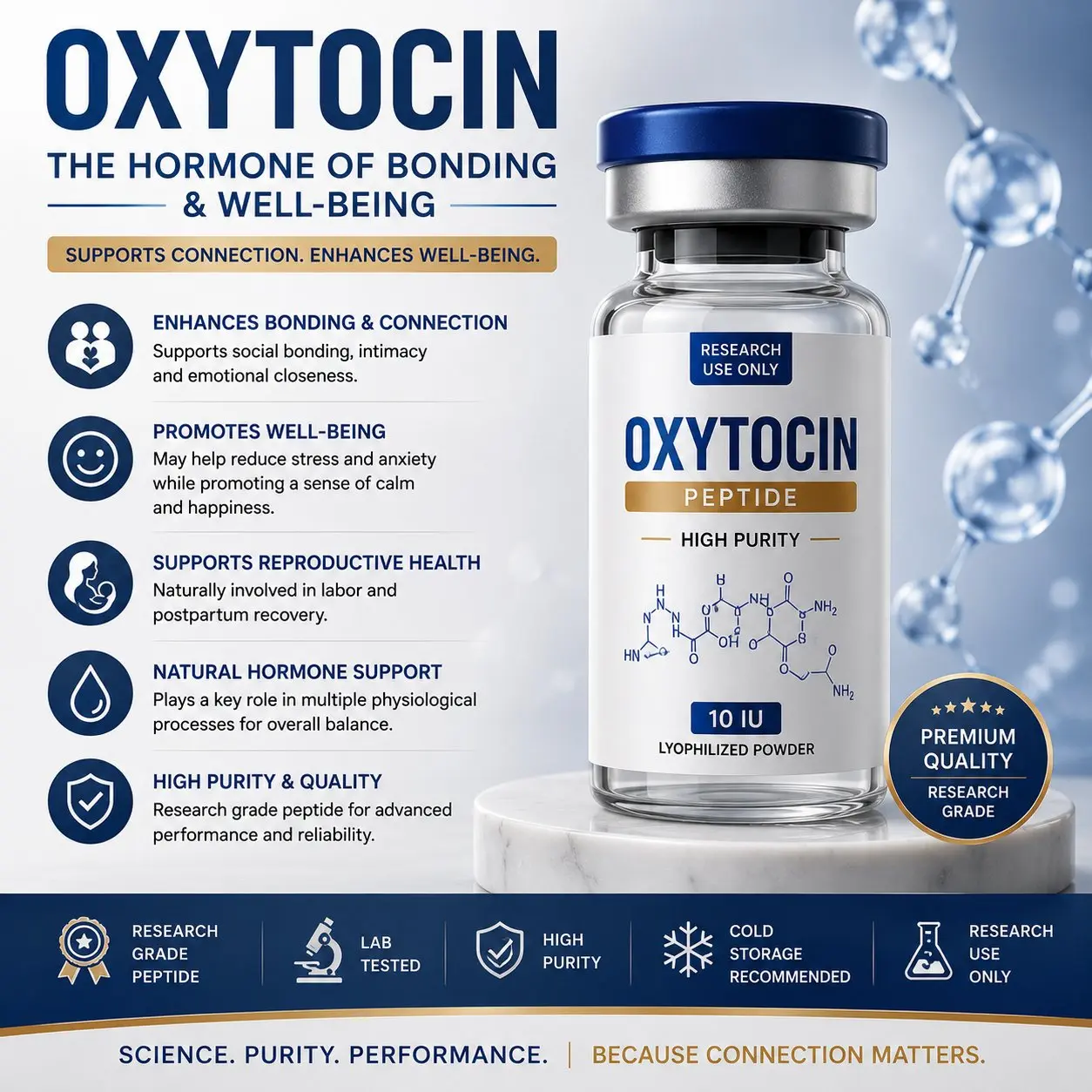
Research Protocols
Documented dose range: 0.5mg to 2mg per administration. Most protocols begin at the lower end. Effects typically begin within 30–60 minutes and persist several hours. Most common side effect: mild-to-moderate nausea in the first 30–60 minutes, resolves without intervention and diminishes with subsequent use.
Female Research Subjects
PT-141 was the first compound in this category to show statistically significant effects in female research populations. FDA-approved pharmaceutical Bremelanotide (Vyleesi) is approved for premenopausal women — reflecting the depth of research across both sexes.